Find out more about Watford’s friendship with Mainz, ahead of the Classic Wheels on The Parade visit on Sunday 20 September 2026!
Watford and Mainz officially became twin towns in 1956, making 2026 the 70th anniversary of their friendship. It was the first official international town-twinning relationship for both places.
Although Watford’s formal town-twinning arrangements are no longer active, the historic connection between Watford and Mainz has continued through personal, cultural and community links.
A shared connection with the history of printing helped bring the two towns together. Gutenberg pioneered movable-type printing in Mainz, while William Caxton introduced the printing press to England. The friendship was also founded on a shared desire to strengthen international understanding following the Second World War.
Over the decades, the relationship has grown through school and youth exchanges, cultural events, sport, music, tourism and visits between the two communities.
The visit from Wheels for Europe is another opportunity to celebrate the enduring friendship between Watford and Mainz—this time through a shared love of classic vehicles.
Brief Information
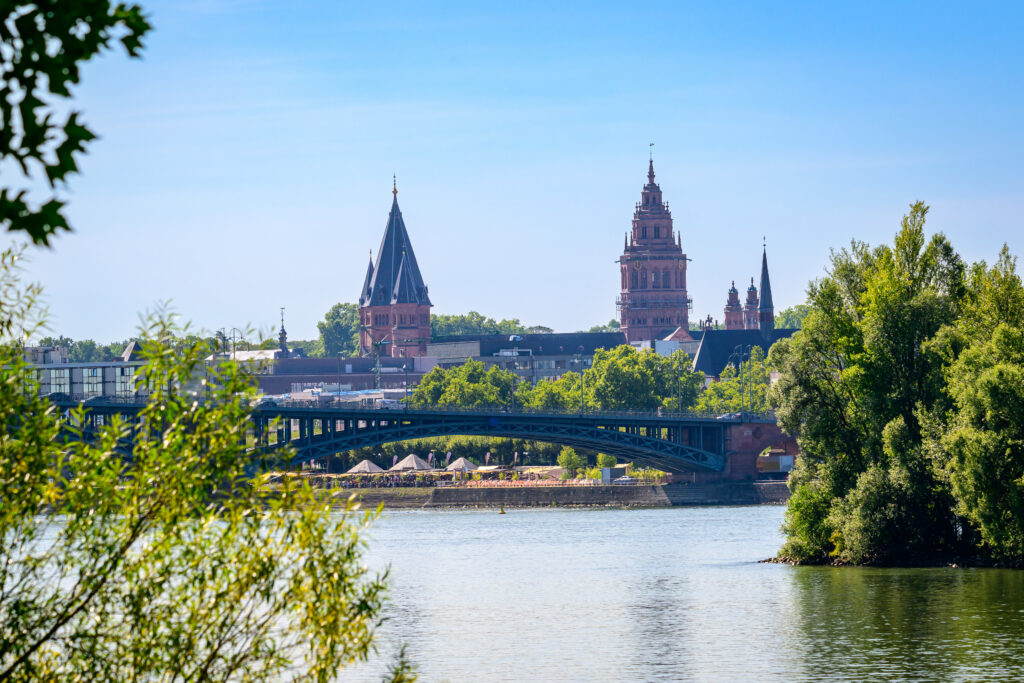
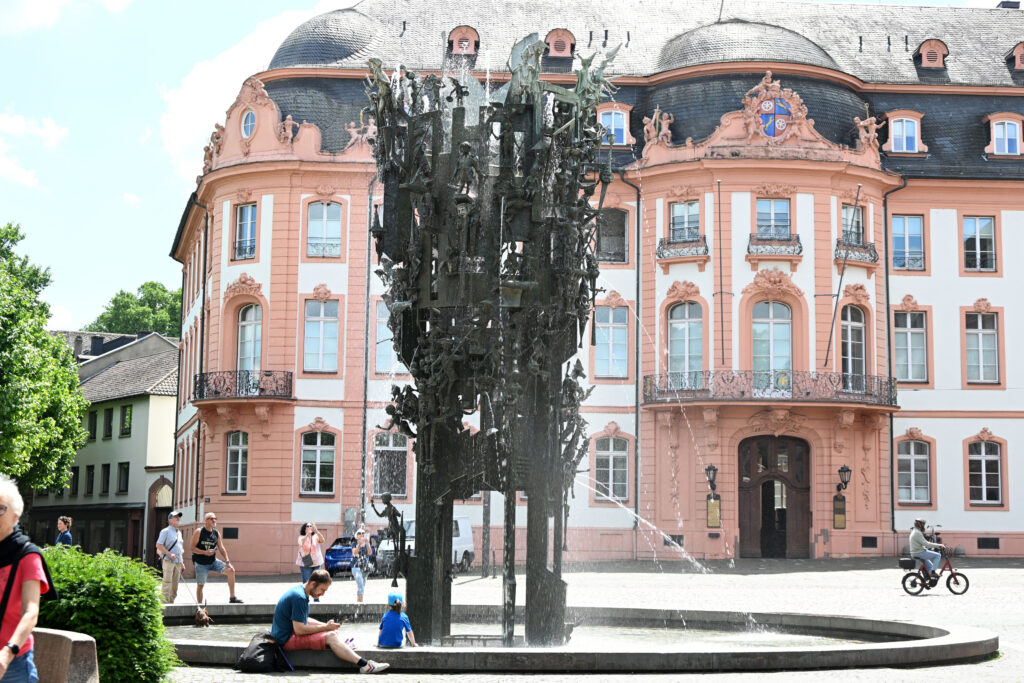
Mainz is situated in the west of Germany on the River Rhine and is the state capital of Rheinlanf-Pfalz. The city looks back on more than 2,000 years of history, characterised by a vibrant culture, scholarship and a zest for life. As one of Germany’s oldest cultural cities, Mainz invites visitors to discover traces of bygone eras at every turn.
History
Mainz has a rich and eventful history. The Romans established the legionary camp of ‘Moguntiacum’ here, shaping the city’s development for centuries to come. To this day, numerous archaeological finds and excavations bear witness to this period. Mainz was also of great importance during the Middle Ages, when powerful prince-electors and archbishops were based here. Another particularly significant chapter was the period of the French-influenced Mainz Republic.
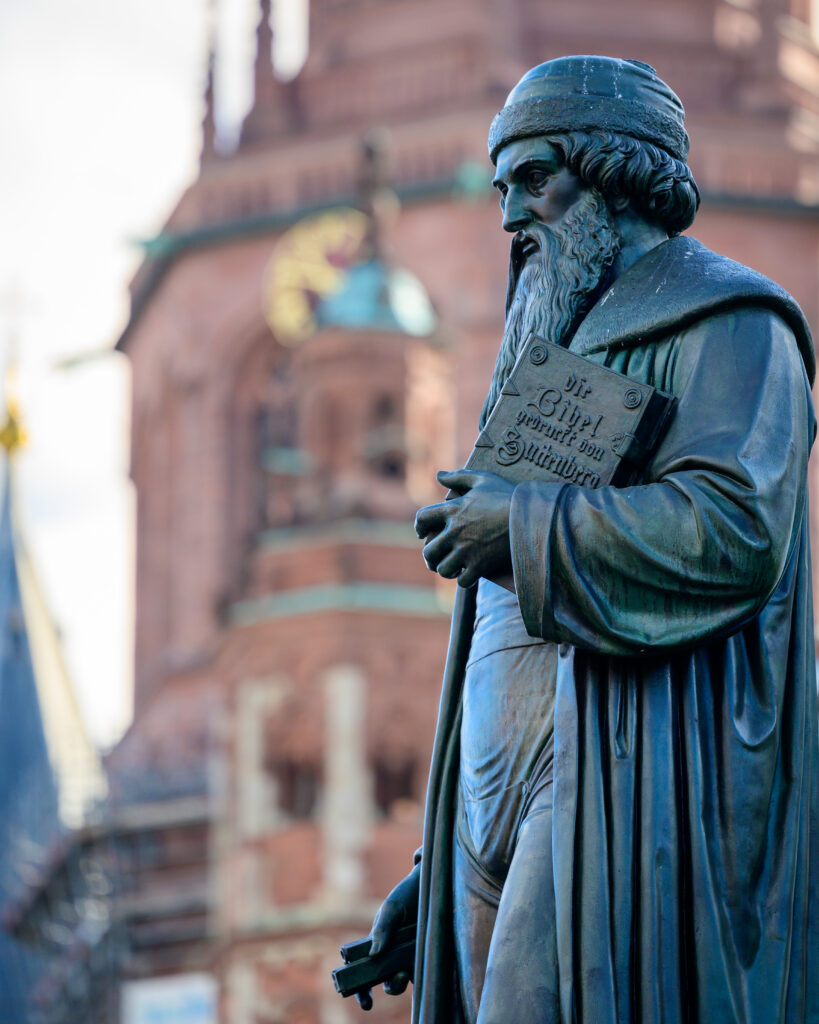
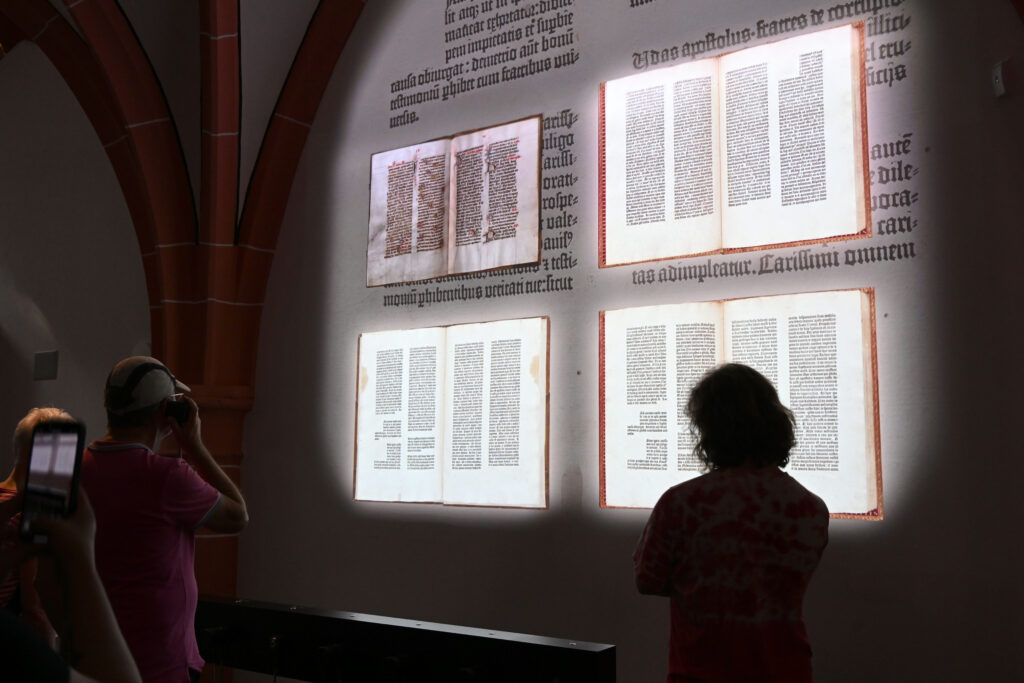
One of the most significant figures in Mainz’s history is Johannes Gutenberg. He was born in Mainz around the year 1400. Around 1450, he succeeded here in making the revolutionary invention of printing with movable type. In doing so, Gutenberg sparked a media revolution and laid an important foundation for modern mass communication. With the university named after Gutenberg, two other higher education institutions and many research institutes and academies, Mainz is a major centre for science and research.
A City of Discoveries
Anyone wishing to explore Mainz is best advised to head straight for the heart of the historic old town. Here, within a compact area, you can discover traces of 2,000 years of art and culture. One of the city’s most prominent landmarks is Mainz Cathedral, St Martin’s. This imposing church is one of the most significant Romanesque buildings in Germany. Right next door is St Johannis, the city’s oldest Christian church. The Old Cathedral has been a vibrant place of worship for more than 1,500 years.
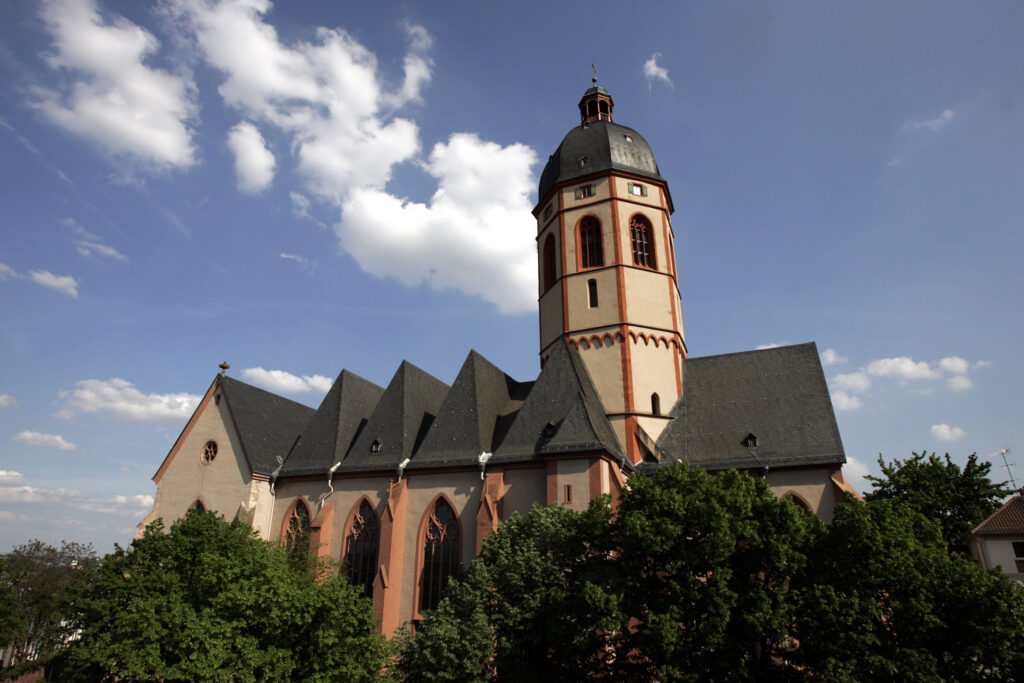
Particularly impressive are the bright blue stained-glass windows of St Stephen’s. The artist Marc Chagall created them as a symbol of peace and reconciliation, thereby making the church famous far beyond Mainz.
Mainz’s Roman past is ever-present. Near the citadel lie the remains of the largest stage theatre north of the Alps. In the Römerpassage, visitors can view a temple dedicated to the goddesses Isis and Mater Magna. Further evidence of the former ‘Moguntiacum’ can be seen in Mainz’s museums, including the Landesmuseum.
A particularly remarkable site is the ‘Judensand’, with almost 1,700 historic gravestones. The historic Jewish cemetery is part of the UNESCO World Heritage Site ‘ShUM Sites’ and is one of the oldest Jewish cemeteries in Europe. The tradition of Jewish life in Mainz, the medieval ‘Magenza’, goes back a long way. The new synagogue in Mainz’s Neustadt district also symbolises the revival of Jewish community life.
Guided city tours and the ‘Mainz Greeters’ offer the chance to get to know Mainz from personal and very different perspectives. This turns a stroll through the city into a personal journey through time, exploring its history.
Gutenberg City
Mainz is inextricably linked with Johannes Gutenberg. On the Gutenberg Trail through the old town, visitors can discover places closely associated with his life and work. These include historic houses and courtyards, as well as the Gutenberg monument at the State Theatre and the statue at the St Christoph Memorial.
The Gutenberg Museum, which is currently being renovated as the World Museum of Printing and Written Culture, is dedicated to the legacy of the famous Mainz inventor. In the meantime, the ‘Gutenberg Museum MOVED’ at the Natural History Museum invites visitors to learn about Gutenberg’s story and the development of the art of printing.
Every year at the end of June, Mainz celebrates ‘Johannisnacht’ in honour of Gutenberg, with art, concerts, culinary delights and creative activities. A highlight is the traditional ‘Gautschen’ ceremony at the cathedral, where media designers are now welcomed into the tradition of book printing in a cheerful and lively manner.
Wine Capital
Mainz is also a wine capital. Together with the Rheinhessen wine-growing region, the state capital has been a member of the Great Wine Capitals Global Network since 2008, an exclusive association of major wine cities from around the world. The aim of the network is to promote attractive wine experiences and international wine culture.
Around 30 traditional wine-growing estates are based in Mainz’s various districts, with more than 2,800 across the wider region. Their outstanding wines can be enjoyed directly from the winegrowers themselves, at wine tastings, in wine shops and in wine bars. Particularly characteristic of Mainz is the ‘Mainzer Marktfrühstück’ – a popular Saturday morning wine tradition at the market – and the winegrowers’ stall on the banks of the Rhine. The Mainz Wine Market and numerous other events also invite visitors to discover the city’s wine culture.
A city where you feel at home
Mainz is known as a city where you feel at home: people visiting for business or pleasure appreciate the warm welcome they receive here. The charming capital of Rhineland-Palatinate is also a popular place to live, both for long-standing residents and newcomers from near and far. Many appreciate the sense of community, whether in their immediate neighbourhood, in the districts with their vibrant club life, or in the city centre, where there is plenty on offer all year round: from Carnival to the Rhine Spring Festival, ‘Johannisnacht’, Summer in the City and the Wine Market, right through to ‘Mainz Leuchtet’ and the Christmas City.
Mainz combines city life with a wide range of leisure activities. Particularly appealing are walks along the Rhine and excursions into the surrounding wine-growing landscape of Rheinhessen. Wine walks, vineyard tours and culinary journeys of discovery offer the chance to get to know the city and the region in a special way.
Mainz is a city where history and the present are closely intertwined. The Roman era and the Middle Ages, Gutenberg and the modern media world, Jewish history and the present day, science, art and wine culture all coexist side by side here.